Situation 1A puncture during a Route 34 trip
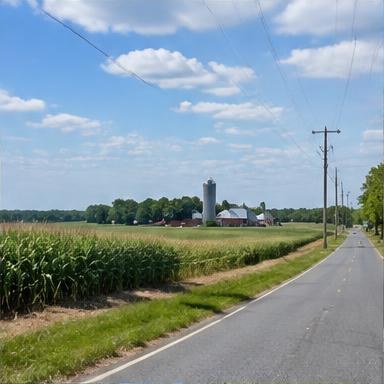
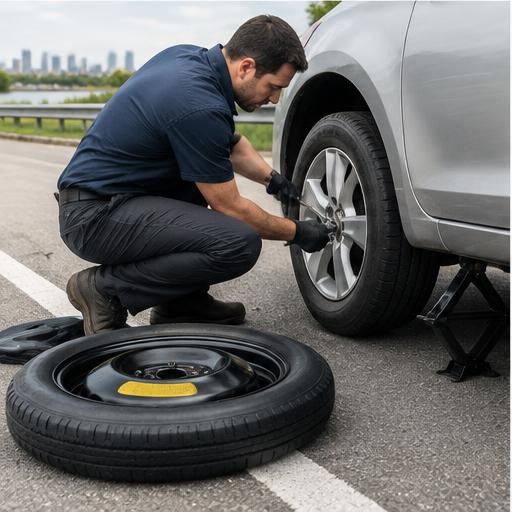
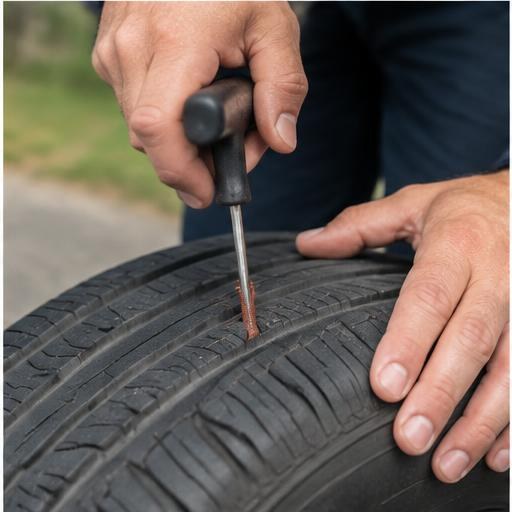
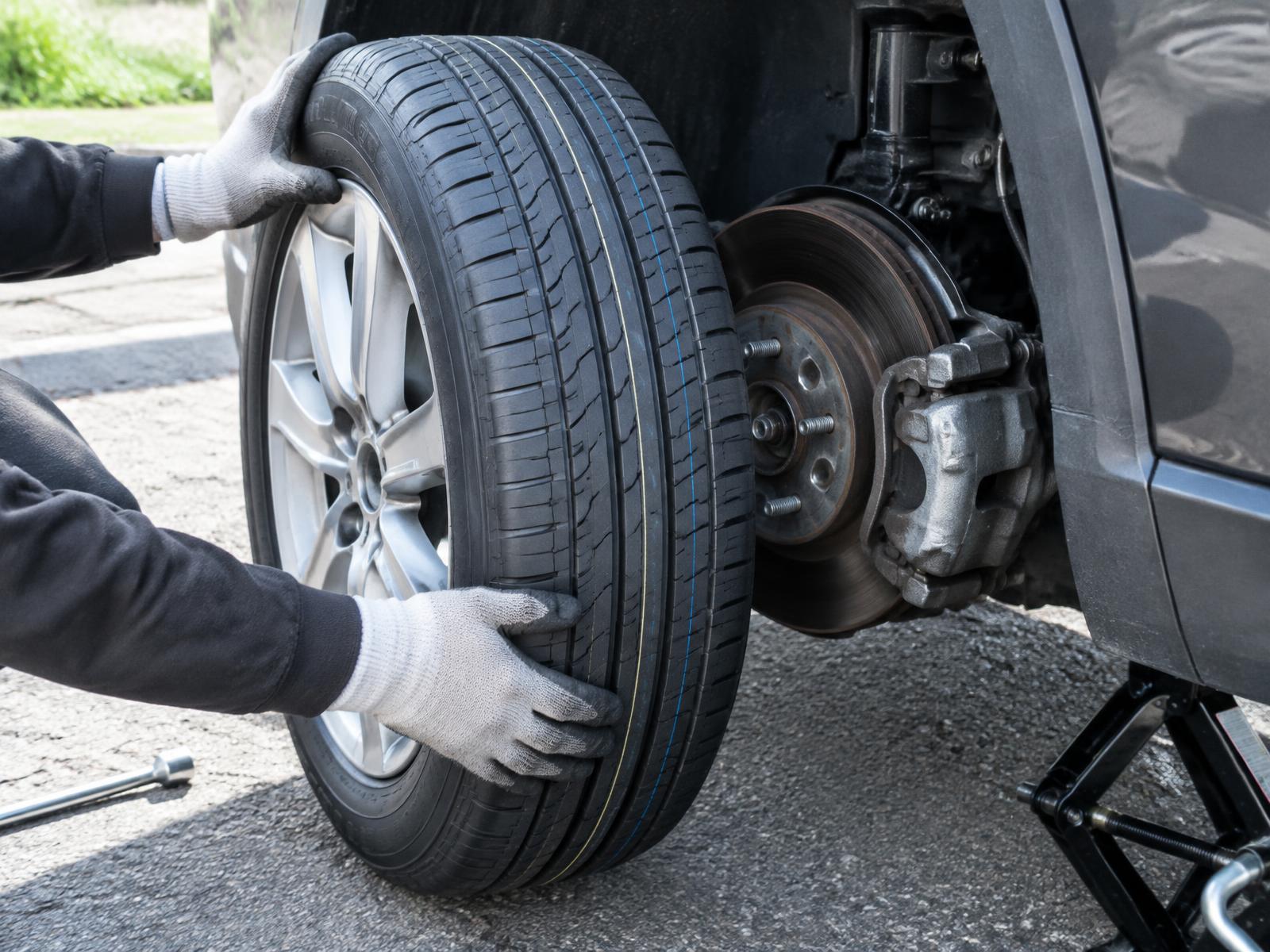
A Route 34 tire puncture requires more than naming the road. Explain which direction you were traveling, where the vehicle is stopped, and whether you drove after the pressure dropped. Tire condition determines whether a repair, spare change, or replacement is suitable.
Situation 2A car that clicks after a local stop
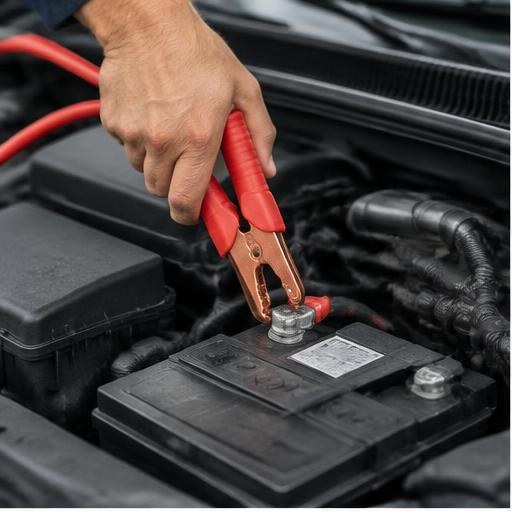
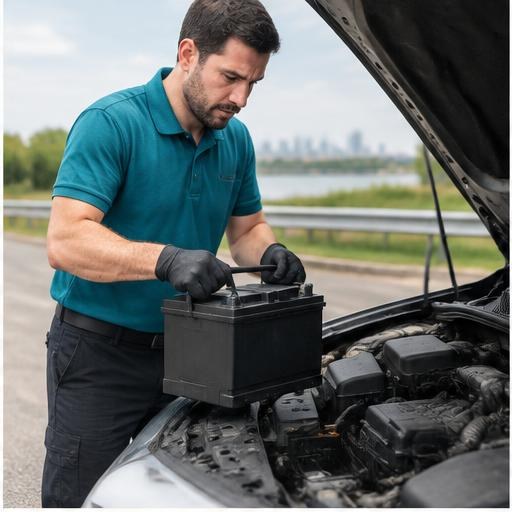
When a car clicks after a Colts Neck stop, tell us whether it started normally earlier and whether the dashboard still lights up. Turn off unnecessary accessories. Repeated cranking is not a useful substitute for discussing what the car is doing.
Situation 3A locked door along the Route 537 corridor
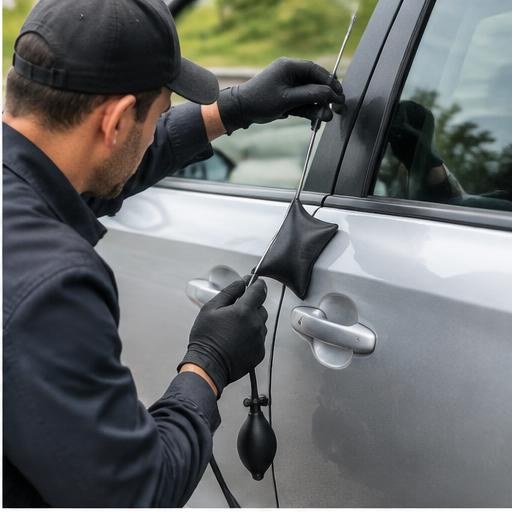
Along the Route 537 corridor, a locked vehicle may be sitting in a driveway, a business lot, or another location with different access. Say whether the keys are visible inside. Missing keys and locked-in keys are different problems and should not be booked as though they were identical.
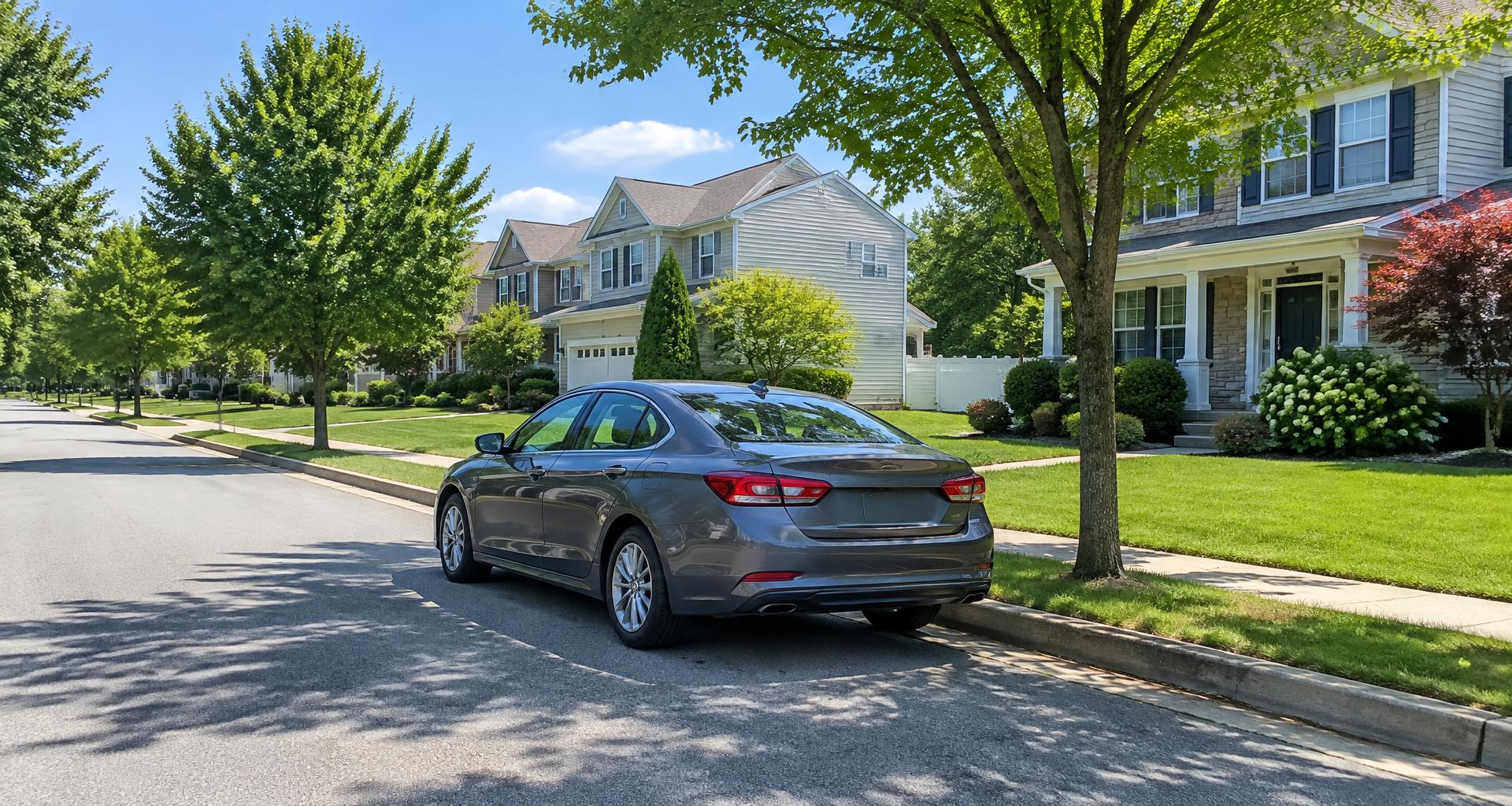
A clear location description reduces confusion at the start of a request. Give the nearest intersection, lot entrance, direction of travel, or highway exit rather than only a town. Tell us whether a gate, restricted property, or narrow shoulder affects access. You should not move a vehicle with unsafe tire damage merely to make it easier to find. If there is immediate danger, call 911 first and then discuss ordinary roadside assistance.
Before work begins, ask about the proposed service, the price, and payment options. A request form is a way to share information, not a confirmed appointment or an arrival-time commitment. If the actual problem falls outside mobile roadside assistance, the conversation should establish that clearly. Keep the person at the vehicle reachable and update your location if it changes safely before a visit is arranged.
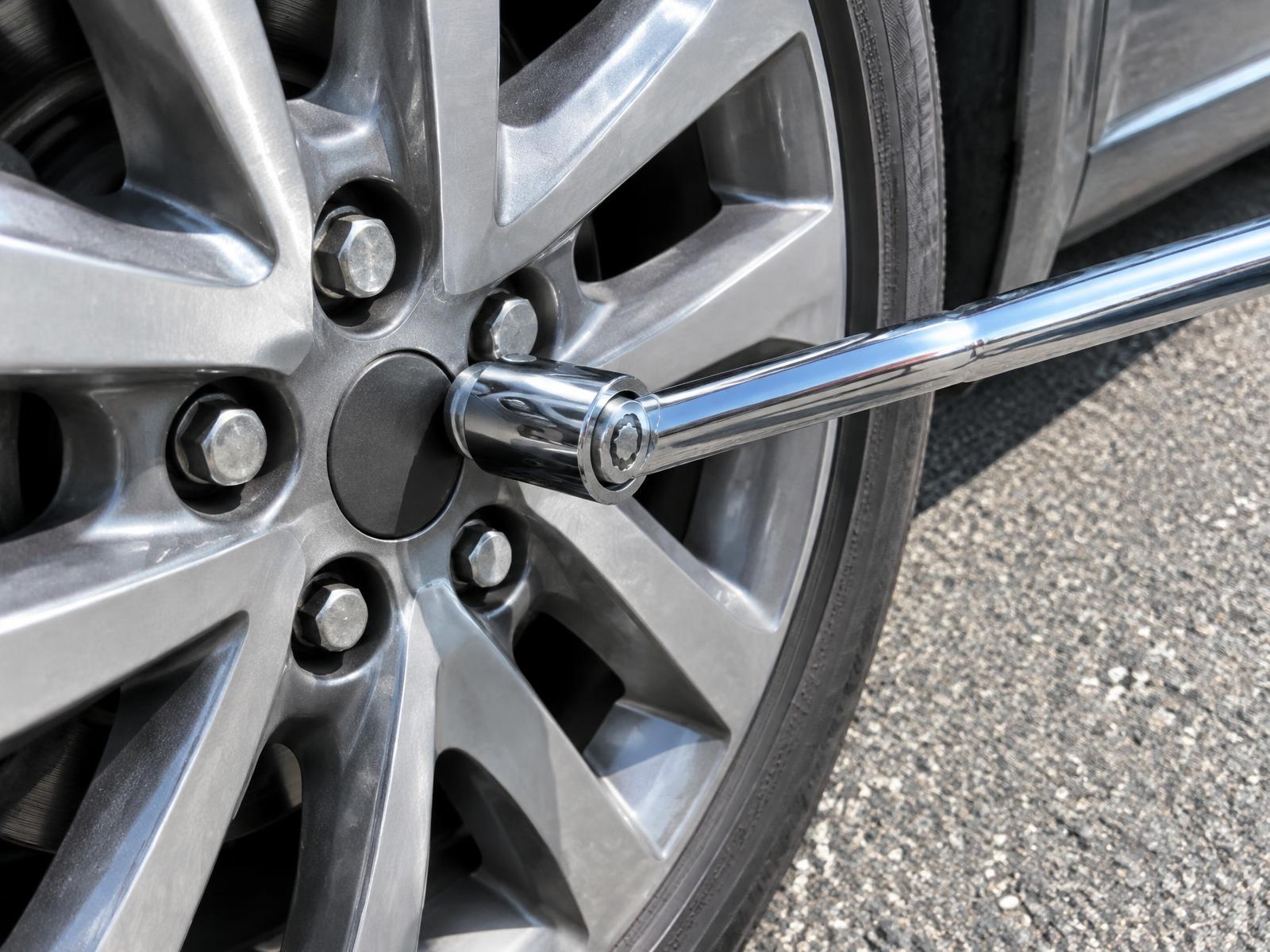
For a tire request, check what you already have only when the car is safely parked. A spare is useful if it is compatible and usable; an empty spare compartment or inflator kit calls for a different discussion. Wheel-lock keys can be easy to overlook. If a nut is rounded or a socket slips, stop further attempts and mention the obstruction. Driving a flat farther can turn a repairable puncture into damage that needs replacement.
For a starting request, note the difference between the engine turning slowly and turning normally without firing. Accessories, lights, previous jumps, and how long the car was parked are useful details. Do not touch a visibly damaged battery or keep cranking repeatedly. The goal is to identify an appropriate roadside step, not to promise that every non-starting car can be fixed with the same equipment.
For assistance around Route 34 and Route 537, contact HColon Roadside and describe the problem in your own words. The local landmarks on this page help start that conversation, but your exact position is still needed. Colts Neck is inside our service area. Call with your exact location and we head your way. Keep safety first, have your vehicle details ready, and ask which on-site service fits the situation.