Locked Out at Six Flags or a Shore Lot? What Not to Try
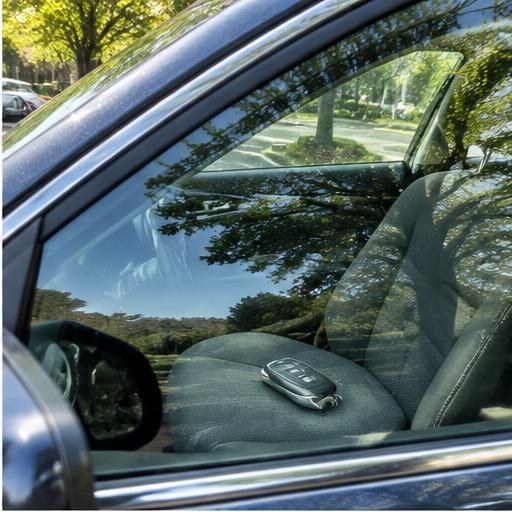
You can see the keys on the seat, but the door is locked. After a day at Six Flags Great Adventure or a shore visit, the temptation to improvise is understandable. The useful first step is not a wire hanger. It is checking safety, confirming where the keys are, and describing the vehicle and parking location clearly.
Check occupants before the lock
A child, pet, or vulnerable person inside a vehicle can turn an ordinary lockout into an emergency. If anyone is distressed or at risk from temperature or another hazard, call 911 first. Do not wait for a routine appointment while someone is unsafe. A lockout without an endangered occupant is still frustrating, but you have more room to pause and choose a careful approach.
Separate locked-in keys from lost keys
Visible keys inside the car point toward a vehicle-entry service. Keys that are missing entirely create a different problem. Opening the door does not manufacture a replacement key or solve every immobilizer issue. Explain which situation you actually have. If a spare key exists nearby, consider whether someone can safely bring it, without leaving an unsafe situation or an endangered occupant unattended.
Avoid coat hangers and improvised rods
A modern door contains more than a simple lock rod. Improvised tools can affect wiring, weather seals, glass, and internal mechanisms. Pulling at a window or forcing a door frame may create damage even if the attempt looks easy in a video. A demonstration on a different vehicle does not establish that the same movement or tool is appropriate for yours.
Do not assume a slim jim fits every car
Vehicle entry approaches depend on the door and lock layout. A tool name from an older car is not a universal solution. Describe your make, model, and whether the keys are in the cabin or trunk. The person helping should assess the vehicle rather than force the same technique on every door. Ask about the approach before work starts if you have concerns.
Identify your actual parking position
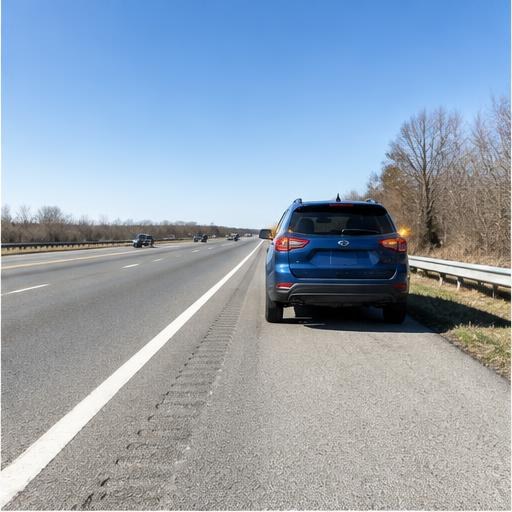
At Six Flags Great Adventure, a broad destination name may cover a large parking area. Give the entrance, row, nearby visible marker, and vehicle color. In a shore lot near Point Pleasant, describe which road reaches the entrance and where the car sits relative to it. Accurate access information is useful; you should not walk into traffic to collect a more detailed description.
Prepare authorization information
Have identification and evidence that you are authorized to access the car ready. If documents are inside, explain that before the visit. A friend requesting assistance should say who is at the vehicle and how they can be reached. The person opening a vehicle needs a clear understanding of authorization, not just a claim that the keys visible inside belong to someone nearby.
Explain trunk access separately
A trunk with keys inside may be reachable through the cabin on one vehicle and not on another. Do not assume an unlocked passenger door automatically opens every compartment. Give your make and model and explain where the keys are. Discuss access before booking rather than accepting a blanket promise about a vehicle the provider has not assessed.
Prevent a second lockout before leaving
After access is restored, put the keys in your hand and confirm you have them before closing the doors again. Check whether a fob was left in a bag or trunk and whether someone else still needs belongings inside. If the fob itself is unreliable, follow the manual’s guidance about its battery and emergency key. Retrieving keys solves the lockout, not every possible key-related problem.
A useful request starts with clear details
You do not need to identify a failed component before asking for help. Separate what you observed from what you suspect: the sound, warning, visible damage, or position of the keys is an observation; the assumed repair is a conclusion. Clear observations let the person helping ask useful follow-up questions. If you already attempted something, explain it honestly, including a jump, wheel-removal attempt, or movement after a pressure warning. Previous attempts and the vehicle’s current position are part of the situation, not details to leave out.
- Check immediate safety before ordinary roadside work.
- Give the exact location and vehicle details.
- Describe the symptoms and previous attempts.
- Ask about the proposed service before work begins.
Talk through the next step
Before agreeing to work, ask what service is proposed, what it costs, and which payment options are available. A submitted request is not a confirmed appointment or a promised arrival time. Keep the contact person reachable and clarify the location if you discover that the entrance or direction was described incorrectly. If access is restricted or a car cannot be approached safely, discuss that before the visit rather than assume the address alone settles access. The practical objective is appropriate help, not simply the fastest-sounding answer.
For mobile roadside assistance, call HColon Roadside. Our base is Jackson, NJ, with a 20-mile service radius. Call us with what happened and where you are, and we bring the right service to you.