Stripped or Locking Lug Nut? Why Your Spare Won’t Go On
You have a spare, but one wheel nut will not come off. A rounded fitting, missing lock key, and a seized nut are different obstacles. More force is not always the answer. Before another attempt, identify what is stopping removal and avoid changing a manageable extraction problem into damage to the wheel or stud.
Name the obstruction accurately
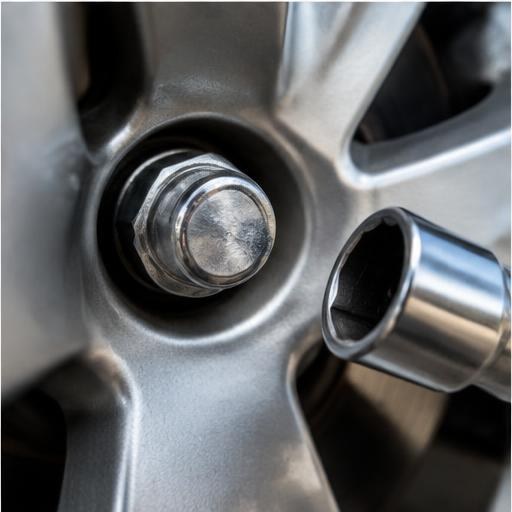
A stripped or rounded nut may allow the socket to spin without gripping. A locking nut has a pattern intended for its matching key. A nut that grips but will not turn may be tight or seized. Describe what happens when a tool is applied and what tools have already been used. Those details help more than saying every difficult nut is stripped.
Search for the proper lock key safely
The wheel-lock key may be in the glove box, spare compartment, original tool pouch, or another storage area. Check only from a safe parked position. A patterned key from a different vehicle may not match. If you cannot find yours, say so before arranging a spare change, because the missing key can change the work required to remove the wheel.
Stop when the socket slips
Repeated slips can round a fitting further and make later removal more difficult. A wrong-size socket, poor engagement, or damaged nut can all be involved. Do not keep hammering random sockets onto the wheel because one video showed that approach. The wheel finish, nearby surfaces, and the available fastener access matter when selecting an extraction method.
Avoid unstable leverage
Jumping on a wrench, stacking improvised extensions, or working beside traffic adds risk to an already awkward task. Do not use body weight in a way that could make you fall or shift the vehicle. A car supported unsafely should not become a test of how much torque you can produce. Discuss the obstruction and safe working position before another attempt.
Understand why the stud matters
The nut is only part of the fastening system. Threads and wheel studs need assessment if removal attempts or corrosion have affected them. A nut that eventually comes off does not establish that the remaining hardware is fit to reuse. Explain if a stud broke or if you can see damaged threads; that is a different issue from a nut that simply needs loosening.
Extraction is a vehicle-specific task
An appropriate approach depends on the nut, locking pattern, wheel recess, prior attempts, and access. The person doing the work should inspect rather than promise one universal technique. Ask what happens to the removed fitting and what replacement hardware is needed. The point is to restore a usable wheel fastening arrangement, not only to celebrate getting a damaged nut off.
Check replacement hardware before reinstalling
A damaged nut should not automatically go back on the car. Correct thread, seat type, and fit matter. Wheel fasteners should be installed according to the vehicle’s specifications using appropriate tools. If the wheel or stud has additional damage, discuss that plainly. Solving the flat and removing the obstructing nut are related steps, but neither makes the other issue disappear.
Mention the problem before roadside tire work
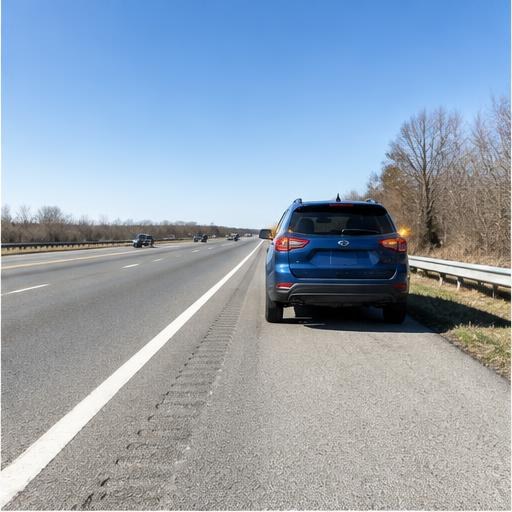
If you are stopped near Route 537, Route 9, or a Parkway exit, include the wheel-lock problem when describing the flat. Say whether a usable spare exists and whether the lock key is available. HColon Roadside lists stripped and locking lug nut removal among its mobile services, so the conversation can account for the obstruction rather than discover it halfway through an assumed simple spare change.
A useful request starts with clear details
You do not need to identify a failed component before asking for help. Separate what you observed from what you suspect: the sound, warning, visible damage, or position of the keys is an observation; the assumed repair is a conclusion. Clear observations let the person helping ask useful follow-up questions. If you already attempted something, explain it honestly, including a jump, wheel-removal attempt, or movement after a pressure warning. Previous attempts and the vehicle’s current position are part of the situation, not details to leave out.
- Check immediate safety before ordinary roadside work.
- Give the exact location and vehicle details.
- Describe the symptoms and previous attempts.
- Ask about the proposed service before work begins.
Talk through the next step
Before agreeing to work, ask what service is proposed, what it costs, and which payment options are available. A submitted request is not a confirmed appointment or a promised arrival time. Keep the contact person reachable and clarify the location if you discover that the entrance or direction was described incorrectly. If access is restricted or a car cannot be approached safely, discuss that before the visit rather than assume the address alone settles access. The practical objective is appropriate help, not simply the fastest-sounding answer.
For mobile roadside assistance, call HColon Roadside. Our base is Jackson, NJ, with a 20-mile service radius. Call us with what happened and where you are, and we bring the right service to you.